
Creativity is often portrayed as a momentary spark, sudden, dramatic, and unpredictable. But a deeper look reveals something far more structured. Creativity is not just an event; it is a way of living, resting, thinking, and allowing ideas to mature over time.
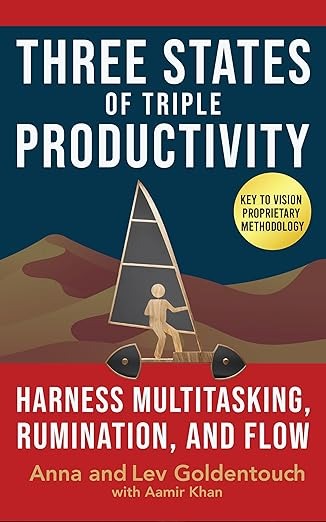
In THREE STATES OF TRIPLE PRODUCTIVITY: Harness Multitasking, Rumination and Flow, rumination is introduced as a powerful productivity state where ideas develop beneath conscious effort. In this second article on rumination, we explore how creativity emerges through lifestyle choices, sleep, subconscious processing, emotional triggers, and weekend reflection.
Creativity is not forced; it is cultivated. When the right conditions are created, ideas surface naturally. This article explains how.
The Creative Lifestyle: Designing Conditions for Insight
Unlike analytical problem-solving, which relies on structure and logic, the creative lifestyle focuses on nurturing the subconscious mind. Instead of chasing ideas aggressively, this approach allows them to emerge organically.
A creative lifestyle does not revolve around productivity hacks. It is built on daily habits that support mental clarity, emotional balance, and cognitive openness.
The foundation of this lifestyle rests on several essential elements.
Restful Rejuvenation: Why Sleep Comes First
Adequate sleep is one of the most critical drivers of creativity. During sleep, the brain continues working, processing information, consolidating memories, and forming new associations.
Research shows that cognitive performance peaks during certain times of the day, particularly in the morning, when alertness naturally rises. This reinforces the idea that rest directly influences creative capacity.
Sleep supports creativity by:
- Allowing subconscious problem-solving
- Reducing cognitive overload
- Enhancing mental flexibility
Rather than viewing sleep as lost time, it should be recognized as an active, creative process.
Nourishing the Mind and Body
Creativity is not disconnected from physical health. The brain requires consistent nourishment to sustain imaginative thinking.
A balanced diet, rich in fruits, vegetables, whole grains, and lean proteins, provides the energy necessary for sustained cognitive performance. When the body is supported, the mind becomes more receptive to insight.
Creative thinking thrives when:
- Energy levels remain stable
- Distractions caused by fatigue are minimized
- Mental clarity is preserved throughout the day
The creative lifestyle recognizes that physical care is not separate from intellectual output; it enables it.
Stress Reduction and Relaxation
Stress is one of creativity’s strongest inhibitors. When stress dominates, mental energy shifts toward survival rather than exploration.
Incorporating relaxation practices such as meditation, light movement, or time in nature helps calm the nervous system and reopen creative pathways.
Reducing stress:
- Free cognitive resources
- Encourages reflective thinking
- Supports emotional regulation necessary for rumination
Creativity flourishes not in urgency, but in calm attentiveness.
Walking: Movement That Unlocks Thought
Walking, especially at a relaxed pace, plays a unique role in creative thinking. The rhythmic movement increases blood flow to the brain and encourages associative thinking.
Studies have shown that individuals who walk before engaging in creative tasks perform significantly better than those who remain sedentary.
Walking supports creativity by:
- Creating mental space
- Reducing performance pressure
- Allowing thoughts to unfold naturally
It is not the speed of movement that matters, but its consistency and simplicity.
Openness to New Experiences
Creativity depends on exposure. Engaging with new books, ideas, cultures, and conversations expands the mental library from which new connections are formed.
Openness enriches creativity by:
- Increasing perspective diversity
- Breaking habitual thinking patterns
- Introducing novel stimuli for subconscious processing
A creative lifestyle actively seeks variety, not for entertainment, but for mental expansion.
Music, Sensitivity, and the Creative Mind
Complex music, such as classical compositions or jazz improvisation, stimulates the brain’s associative processes. These rich auditory environments encourage pattern recognition and creative synthesis.
Equally important is prioritizing sensitivity over excitement. While high-adrenaline activities overwhelm the senses, creative thinking requires subtle awareness.
Creative insight often emerges in moments of:
- Quiet attention
- Gentle stimulation
- Sensory balance
Creativity favors refinement over intensity.
Introversion, Extroversion, and Creative Balance
The creative lifestyle described aligns naturally with introverted tendencies, quiet reflection, solitude, and contemplation. However, creativity is not exclusive to introverts.
Extroverted creators often thrive in environments rich with contrast, collaboration, and stimulation. The key is balance.
What matters most is:
- Emotional regulation
- Cognitive openness
- Space for rumination
Creativity adapts to personality, but always requires mental breathing room.
Sleeping Inventors: Creativity After Conscious Effort
Sleep is not passive rest; it is an active, creative workshop. During sleep, the brain continues processing unresolved challenges, often producing insights unavailable during wakefulness.
Studies consistently show that individuals who sleep well perform better on creative and problem-solving tasks than those who are sleep-deprived.
Sleep enhances creativity through:
- Memory consolidation
- Pattern recognition
- Subconscious problem-solving
Daydreaming also plays a role, allowing ideas to incubate before sleep completes the process.
Techniques for Accessing the Subconscious
Several techniques help bridge conscious effort and subconscious insight:
- Dream journaling captures fleeting ideas before they fade
- Mindfulness meditation quiets mental noise
- Regular breaks prevent cognitive fatigue
- Power naps refresh mental clarity
- Consistent sleep routines stabilize creative rhythms
These practices create continuity between thought, rest, and insight.
Pumping the Subconscious: When Frustration Works
Subconscious creativity often activates after failure, fatigue, or frustration. When conscious effort reaches its limit, the mind delegates the problem to deeper processing layers.
Frustration, when rare, can serve as a trigger rather than an obstacle.
Subconscious pumping occurs when:
- The mind disengages after intense effort
- Emotional tension is processed during rest
- Solutions surface without conscious control
However, this method must be used sparingly. Chronic frustration blocks creativity rather than enabling it.
Constraints, Emotions, and Creative Complexity
Adding constraints can paradoxically increase creativity. When simple solutions are eliminated, more complex and innovative ones emerge.
Similarly, emotions such as fear, desire, or obsession can activate subconscious processing, but only if properly regulated.
When emotions are reframed or processed through meditation, they stop looping and begin transforming into insight.
Creativity requires:
- Emotional awareness
- Optimism that solutions exist
- Willingness to wait for emergence
Sleep-Hacking and Lucid Dreaming
Advanced practitioners explore techniques such as sleep-hacking and lucid dreaming to consciously interact with the subconscious.
Key principles include:
- Consistent sleep schedules
- Optimized sleep environments
- Relaxation before sleep
- Mindful caffeine use
- Regular physical activity
Lucid dreaming techniques, such as reality checks, dream journals, and intention-setting, offer deeper access to subconscious imagery and insight.
These methods require careful guidance and intentional practice.
Weekend Creativity: Low-Intensity, High Impact
Weekends provide a natural environment for creative rumination. With reduced structure and pressure, the mind enters a low-stress state ideal for reflection.
Weekend creativity thrives on:
- Unforced thinking
- Gentle engagement
- Emotional decompression
Rather than producing immediate output, weekend creativity allows ideas to mature slowly.
The Value of Slow Rumination
Creative rumination is not guaranteed to succeed. It is always a gamble. However, even when no breakthrough occurs, the process itself provides meaning, restoration, and perspective.
Many individuals produce their greatest creative work while maintaining demanding primary careers. When creativity becomes overly pressured, quality often declines.
Slow rumination respects the natural pace of insight.
Key Takeaways for Creative Living
- Design your lifestyle to support subconscious thinking
- Treat sleep as a creative tool, not a luxury
- Allow frustration to activate insight, but sparingly
- Use weekends for low-stress creative exploration
- Accept that creativity unfolds slowly
- Value reflection as much as action
Conclusion: Creativity Emerges When You Stop Forcing It
Creativity does not respond well to pressure. It responds to space, rest, optimism, and thoughtful living. Rumination transforms productivity from constant effort into intelligent patience.
By aligning lifestyle, sleep, emotional balance, and reflective time, creativity becomes a natural outcome rather than a struggle.
Take the Next Step in Smarter Productivity
These powerful ideas are explored in detail in my book THREE STATES OF TRIPLE PRODUCTIVITY: Harness Multitasking, Rumination and Flow, where rumination is revealed as a core productivity state, working in harmony with multitasking and flow to unlock deeper creativity and clarity.
If you’re ready to move from understanding to execution, my course ProlificFocus: Productivity Masterclass (Time Management, Multitasking and Flow) provides a practical, step-by-step framework to apply these principles in your daily work and life.
Interested in an exclusive course discount?
Reach out to me directly at info@keytostudy.com, and I’ll be happy to assist you.
Because true creativity is never rushed, it is given the space and time it needs to arrive.