
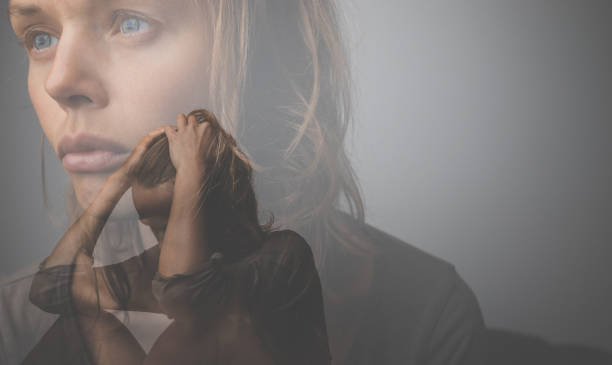
Anxiety is one of the most common mental health challenges people face today. From stress at work to personal life struggles, the pressures of daily life can accumulate, leading to feelings of overwhelm. While there are various ways to cope with anxiety, one of the most effective methods is through visualization techniques. These methods are designed to create mental images or scenarios that help ease tension, reduce stress, and promote a sense of calm. In this guide, we will explore ten powerful visualization techniques for anxiety that you can incorporate into your daily routine.
What Is Visualization for Anxiety?
Before diving into the techniques, it’s important to understand what visualization for anxiety actually means. Visualization is a process where you imagine calming scenarios or situations in your mind to help redirect anxious thoughts. It is a cognitive-behavioral tool often used to manage symptoms of anxiety, allowing the mind to relax by focusing on something serene or positive.
Visualization works by engaging your brain’s ability to create mental imagery, which in turn influences your emotional and physical state. When you practice visualization techniques regularly, it can help reduce the severity of anxiety attacks and even prevent them from occurring. Below are ten visualization techniques designed to help manage and alleviate anxiety.
1. Guided Imagery
Guided imagery is one of the most common and effective visualization techniques for anxiety. In this method, you imagine a peaceful, serene location where you feel safe and relaxed. This can be anything from a beach to a mountain, or even a fictional place where all your worries fade away.
Start by closing your eyes, taking a few deep breaths, and imagining yourself in this location. Focus on the details: the sound of the waves, the warmth of the sun, the scent of the trees. The more vivid your imagery, the more effective it becomes in helping to ease anxiety. You can also follow guided visualization for anxiety audio recordings to assist you in crafting detailed mental pictures.
2. The Safe Place Visualization
Similar to guided imagery, the safe place visualization involves imagining a location where you feel entirely secure. The key difference is that this space is specifically designed to provide a psychological safe haven from anxiety triggers. In this exercise, you create a mental space that is not just beautiful, but also symbolic of safety.
You can think of it as your sanctuary, free from any stressors. Whenever feelings of anxiety begin to creep in, you mentally “travel” to this safe place and focus on the feeling of protection and peace that it provides.
3. The Balloon Visualization
The balloon visualization is an incredibly simple yet effective visualisation technique for anxiety relief. Picture your anxiety as a balloon. As you exhale, imagine that you are blowing your anxious thoughts into the balloon. Visualize the balloon getting larger with every breath you take.
Once the balloon is full of your worries, visualize letting it go. Watch it float away into the sky, carrying all your anxiety with it. This technique helps symbolize the release of your anxious thoughts, and many find it incredibly soothing as it reinforces the idea that your worries are not permanent.
4. Progressive Muscle Relaxation with Visualization
Progressive muscle relaxation (PMR) combined with visualization is a dual approach to alleviating anxiety. While PMR focuses on systematically tensing and relaxing your muscles, visualization exercises for anxiety are added to boost the calming effect.
For example, as you tense and release each muscle group, imagine a calming wave flowing through your body, washing away tension. Visualize warm light or soothing water cascading over your muscles, easing both physical and mental stress. This combination helps not only reduce muscle tension but also improves your overall mental well-being by focusing your mind on relaxation.
5. Future Visualization
Future visualization involves imagining a positive future scenario where your anxiety is no longer holding you back. It helps in combating catastrophic thinking, a common symptom of anxiety, where you tend to imagine the worst possible outcome.
Instead, in future visualization, you actively imagine the best possible outcome. Picture yourself successfully navigating stressful situations, completing tasks with ease, or being calm and collected in moments where you would typically feel anxious. This technique is excellent for building mental resilience and optimism, which can greatly reduce the impact of anxiety over time.
6. Color Breathing
Color breathing is a guided visualization for anxiety that involves associating different colors with emotions and visualizing them to help manage stress. For instance, you can picture inhaling a calming color like blue or green, which represents relaxation, and exhaling a color like red or black, symbolizing anxiety or tension.
As you breathe in, imagine filling your body with the calming color, and as you breathe out, see the anxiety leave your body in the form of the darker color. This visualization helps you mentally compartmentalize and remove your anxiety while welcoming a more peaceful state of mind.
7. Cloud Visualization
Cloud visualization is another technique where you assign your anxious thoughts to an object, in this case, a cloud. Picture a cloud above you, and as thoughts of worry or stress appear, place each one into the cloud.
As you continue to breathe deeply and calmly, visualize the cloud drifting farther and farther away, taking all of your anxious thoughts with it. This type of anxiety visualization can be particularly helpful during panic attacks, as it provides a mental escape and redirects your focus away from negative thoughts.
8. The Mountain Visualization
This technique involves seeing yourself as a mountain—strong, stable, and immovable—while your anxiety is represented by stormy weather. Imagine standing tall as clouds, rain, and wind swirl around you. These represent the emotions of stress and anxiety.
No matter how intense the storm gets, the mountain remains grounded. By visualizing yourself as this mountain, you reinforce feelings of inner strength and stability, reminding yourself that while anxiety may come and go, you are resilient and can withstand its effects.
9. The Energy Shield Visualization
Anxiety can often make you feel emotionally vulnerable, which is where the energy shield visualization comes in handy. Picture yourself surrounded by an invisible protective shield made of energy, light, or even a force field. This shield represents emotional and mental protection from stress, negativity, and anything that triggers anxiety.
As you breathe deeply, visualize this shield growing stronger, surrounding you completely, and keeping you safe from external stressors. This visualisation technique for anxiety helps create a psychological buffer, giving you a sense of control over your emotions and environment.
10. The Stop Sign Technique
Finally, the stop sign technique is a powerful visualization exercise for anxiety that helps interrupt anxious thoughts. When you start to feel overwhelmed, imagine a large red stop sign. As soon as anxious thoughts appear, mentally flash this sign and tell yourself to “stop.”
This visualization helps break the cycle of rumination, which can make anxiety worse. By practicing this, you train your brain to recognize when you’re spiraling into anxiety and give yourself a mental cue to stop and shift your focus.
How to Get Started with Visualization for Anxiety
Now that you have a toolbox of visualization techniques for anxiety, how do you start integrating them into your life? Here are some tips:
- Find a quiet space: Visualization works best when you’re in a calm, quiet environment free from distractions. You can sit, lie down, or even engage in gentle movement, like yoga, while visualizing.
- Practice mindfulness: Pairing visualization with mindfulness techniques, such as focusing on your breath or using a mantra, can enhance the calming effects of the exercise.
- Set a time: Choose a regular time to practice. Whether it’s first thing in the morning or before bed, consistency helps reinforce the habit.
- Use guided meditations: Many apps and online platforms offer guided visualization for anxiety. These can be helpful, especially if you’re new to visualization, as they guide you through the process step by step.
- Be patient: Like any new habit, visualization takes time and practice. Start small—just a few minutes a day—and gradually increase the duration as you become more comfortable with the techniques.
Benefits of Visualization Techniques for Anxiety
Visualization isn’t just a quick fix for anxiety; it offers numerous long-term benefits as well. Regular practice can:
- Reduce physical symptoms: Anxiety often manifests physically in the form of increased heart rate, rapid breathing, and muscle tension. Visualization helps to calm the nervous system, reducing these physical symptoms.
- Improve emotional resilience: By mentally rehearsing positive outcomes and creating calming images, you strengthen your ability to handle stress and anxious thoughts when they arise.
- Promote relaxation: One of the main goals of visualization is to help you relax. Many people find that they feel calmer and more centered after practicing visualization techniques.
- Enhance focus and clarity: When anxiety clouds your thoughts, it can be hard to think clearly. Visualization helps sharpen your focus, allowing you to approach situations with a clear, calm mind.
Final Thoughts
Incorporating visualization techniques for anxiety into your daily routine can be a powerful tool for managing stress and promoting emotional well-being. From the simplicity of cloud visualization to the strength of mountain imagery, there are various techniques to suit different preferences and needs. While visualization may not eliminate anxiety entirely, it can significantly reduce its impact and help you regain control over your mental and emotional state. As with any form of therapy, consistency is key. Practice these techniques regularly, and over time, you’ll notice a marked difference in how you handle anxious moments.
Whether you prefer guided visualization for anxiety or you create your own mental safe haven, visualization exercises are an effective, accessible, and empowering way to manage anxiety in everyday life.
FAQs on Visualization Techniques for Anxiety
1. How often should I practice visualization exercises for anxiety?
It’s recommended to practice visualization exercises daily, even if it’s just for a few minutes. Consistency is key to experiencing the full benefits. You can start with 5-10 minutes a day and gradually increase the duration as you become more comfortable with the techniques.
2. Can visualization techniques for anxiety be combined with other relaxation methods?
Yes, visualization can be combined with other relaxation techniques like deep breathing, meditation, or progressive muscle relaxation. Pairing visualization with these methods can amplify the calming effects and help you achieve a deeper state of relaxation.
3. Do I need any special equipment for guided visualization for anxiety?
No special equipment is needed for guided visualization for anxiety. All you need is a quiet, comfortable space where you can relax and focus. However, you can use calming music, nature sounds, or a guided audio recording to enhance your experience.
4. How long does it take to feel the effects of visualization for anxiety?
The effects of visualization can vary from person to person. Some people feel immediate relief, while for others, it may take a few weeks of regular practice to notice a significant reduction in anxiety. Patience and consistency are important for long-term results.
5. Can visualization techniques be used during an anxiety attack?
Yes, visualization techniques can be very effective during an anxiety attack. Techniques like the balloon or cloud visualization can help you redirect your thoughts and focus on releasing your anxiety. Practicing visualization regularly can also help you prevent anxiety attacks from becoming overwhelming.
6. Is visualization a substitute for therapy or medication for anxiety?
While visualization is a powerful tool for managing anxiety, it is not a substitute for professional therapy or medication. Visualization should be used as a complementary approach alongside other treatments recommended by a healthcare provider, such as cognitive-behavioral therapy (CBT) or medication when necessary.