
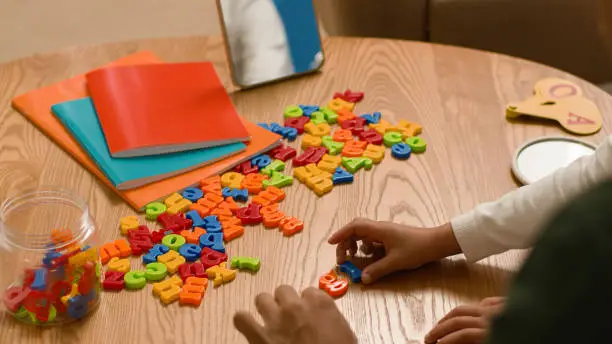
How do you spell activities that make spelling fun, effective, and interesting for students? Literacy, as well as spell proficiency, have been the basic skills required for a good post it must be noted that the importance of the skill has been emphasized more due to the questions being more strict. On the contrary, this technique is limited to passing a test at the cost of forgetting the information in the long run. A great number of students can pass a spelling test with flying colors one week and yet they are not able to use the same words in their writing assignments later. On the other hand, a lot of young minds find the spelling problematic and hard to remember the related patterns and rules.
True spelling skills can only be developed if the teachers apply in the classroom interactive and dynamic spelling activities that combine reading, writing, and comprehension. There is no point in teaching children spelling separately as it is an essential part of literacy acquisition. This piece of work looks into various creative techniques that can be efficiently used by teachers in teaching spelling, thus making their minds understanding more complete through not only word identification but also contextualized word usage. The activities mentioned here can be adjusted to different learning styles and levels of instruction making them appropriate for any classroom setting.
The Importance of Spelling Activities
Spelling is a skill that encompasses much more than just stringing together letters in the right sequence. It is about the discovery of patterns, examination of phonetic sounds, and implementation of the rules of word spelling in different contexts. Lingual and psychological perspectives need to join efforts for effective spelling instruction. This includes renewal in the following areas:
- Phonemic Awareness: The ability to both recognize and manipulate sounds in words is called Phonemic Awareness.
- Morphology: Prefixes, suffixes, and word roots are the elements of the study of Morphology.
- Visual Recognition: Common letter patterns and sight words that are easily identifiable with Visual Recognition.
- Contextual Learning: Using spelling words that have been taught in reading and writing activities.
- Reinforcement Through Repetition: Memory retention through practicing playful new words is the key to Reinforcement Through Repetition.
As a teacher, you may use different spelling activities in class to help students in self-confidence development, and vocabulary enlargement, as well as improve their general literacy skills. The following sections provide a range of activities to make spelling lessons engaging and effective.
Read It: Engaging Spelling Word Recognition Activities
1. Interactive Spelling Charts
Construct a spelling word wall in your room and decorate it with colorful charts that show common spelling words, word families, and difficult words. Make use of various colors, fonts, and images to enhance their memory imprinting.
2. Spelling Word Hunt
Write words on flashcards and place them around the class. Provide children with a list of the words they are supposed to look for and read. This physical action will strengthen the students’ recognition and recall of the spellings.
3. Word Shouting Relay
Let’s take the spelling bee outside! Form teams and hand each group a set of words. One by one, they will sprint to a spot, spell the word aloud, and then run back. This adds an element of movement to the learning process, thus making it more pleasurable.
4. Storytelling with Spelling Words
Let students decide their preferred writing medium by giving them a set of spelling words and asking them to create a short story using those words. As they read their own or their classmates’ stories, they will encounter the correct spelling over and over in the context.
5. Sound It Out with Phonics
Let the students decode words into smaller phonetic parts by asking them to say the word while they are clapping or tapping to the rhythm of the beat to teach them that letters represent sounds and that the sounds can be combined to make words. The spelling word practice could be the best part of the activity so that the students can get used to the vocabulary in the course of doing it.
Write It: Fun Ways to Practice Spelling Words
6. Creative Writing Exercises
They are required to write very detailed paragraphs or short essays with the weekly spelling words of their choice to make it plain and simple. This allows them to easily use the word and have fun as well.
7. Rainbow and Bubble Writing
The students will have to write each spelling word more than once time each with a different color (rainbow writing) or in different font styles (bubble writing) to make the practice visually interesting.
8. Whiteboard Spelling Races
Children will be distributed whiteboards based on how many they are. After you have spoken a word, they will be required to write it down on their whiteboards as fast as possible and then show it off for immediate correction.
9. Chalkboard and Pavement Spelling
Students can travel to the playground and practice spelling by writing words on a chalkboard. This is a perfect way of staying in touch with nature.
10. Spelling Dictation Challenge
Read aloud the sentences you have created containing the spelling words and get students to write them down. Use this method not only to teach spelling but also to help students develop their listening and reading comprehension skills.
Understand It: Enhancing Comprehension of Spelling Words
11. Dictionary Scavenger Hunt
Get students to write spelling words and require them to find the meanings in the dictionary. It helps them to understand the spelling and meaning of the words at the same time.
12. Context Clue Exploration
Your students will be given sentences with blanks and are to choose spelling words based on the context. It increases their words in context knowledge.
13. Word Sorting Activities
Provide a mix of words that obey some spelling conventions and assign students to categorize them according to patterns, such as silent letters, double consonants, and vowel teams.
14. Prefixes and Suffixes Puzzle
The pupils should form new words by combining prefixes, suffixes, and root words to come up with a word and its meaning. For instance, can they come up with a new word, abolisher, from such a word, and the same prefixes and suffixes with some of the words given above can they come with novel forms?
15. Sentence Building with Spelling Words
Prod your students to design useful sentences using their spelling words. The farther they reach into the word, the more evolved the sentence and the better they know it.
Fun Spelling Lessons: Games and Interactive Learning
16. Spelling Bingo
Make bingo cards but instead of numbers list spelling words. Read definitions, students should then be able to locate and mark the correct word on the card.
17. Hangman with a Twist
Instead of mere word guessing, provide clues for the meaning of the word. This way they will be working on spelling and vocabulary too.
18. Digital Spelling Apps
Capitalize computing through spelling apps that lead learners to wear a gamified hat while they solve anagrams and other puzzles connected to spelling. For example, tech tools and apps like Spelling City and Word Wizard add gamified elements to the traditional learning process.
19. Crossword Puzzles and Word Searches
Specialized that will reinforce spelling while making a puzzle will be with the help of crossword puzzles and word searches. Whether the students do them as a collective team or on their one-on-one, the actual content of both word searches and crossword puzzles can be their own spelling words.
20. Team Spelling Bee
Get together with the rest of the staff and students and stage a spelling bee that is whole class participation. Prep yourselves before coming up with a spelling bee word list and tell the learners the exact date and time so that they can be ready to partake in the contest.
The Lasting Impact of Prolific Spelling Activities
How would you spell activities performed in a way that has a lasting and effective influence? One of the factors is to include spelling aspects and various activities such as reading, writing, and comprehension-based exercises to make spelling more fun, thus, it will be a process of learning, not just a memory task. The best spelling classes are those that are interactive and involve regular repetition, which allows students to gradually learn how to spell.
The use of interactive spelling activities contributes to a deeper appreciation of language structure. It also raises fluency in reading and writing accuracy. Be it through imaginative writing techniques, digital devices, or physical movement, the students can learn to spell and do so with confidence using some of these techniques and platforms.
Finally, a good deal of success in spelling comes from making learning meaningful, memorable, and enjoyable. Spelling activities that make students put words in context with their meanings and understand them not only help in spelling but also add to the whole language area, The students will prepare different approaches to learning how to spell correctly and confidently.